
About the Conference
BioMineralia: Past, Present and Beyond is the first in a series of conferences dedicated to bringing together researchers working across the broad field of biomineralization.
Biomineralization is a rapidly developing field of research devoted to the processes and mineral structures (biominerals) formed by living organisms. The growing interest in biominerals stems from their importance as archives of environmental and physiological information, as well as from their potential to inspire the design of novel materials.
What makes the BioMineralia conference unique is its effort to connect perspectives that are essential for understanding the origin and functioning of biomineralization processes and structures: those interpreted from the geological past, observed in modern organisms, and envisioned for future bio-inspired technologies.
Topics covered in the conference program include:
- Biomineralization in time (geological) and space (e.g. in relation to environmental conditions), including questions concerning the origin of biomineralization and the reliability of environmental and physiological signatures recorded in biominerals;
- The dynamics and mechanisms of biomineralization processes, the characteristics of the environments in which these processes occur, and the resulting architecture of biomineral structures;
- Advanced techniques and methodological approaches in biomineralization research;
- The fabrication of new bio-inspired materials (biomimetics) and the current frontiers and limits of knowledge.
All of these issues lie at the intersection of multiple scientific disciplines, and are addressed through observational, experimental, and in silico approaches.
Venue
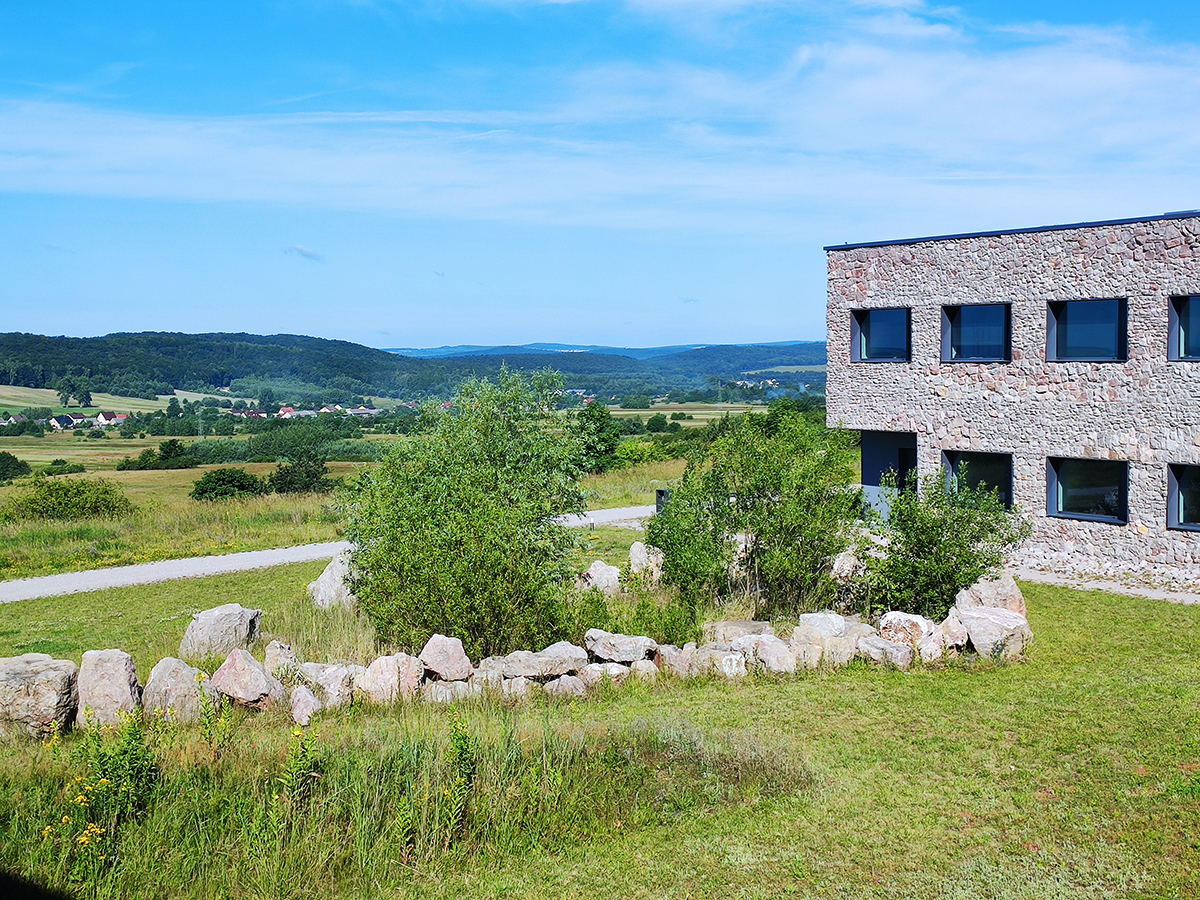
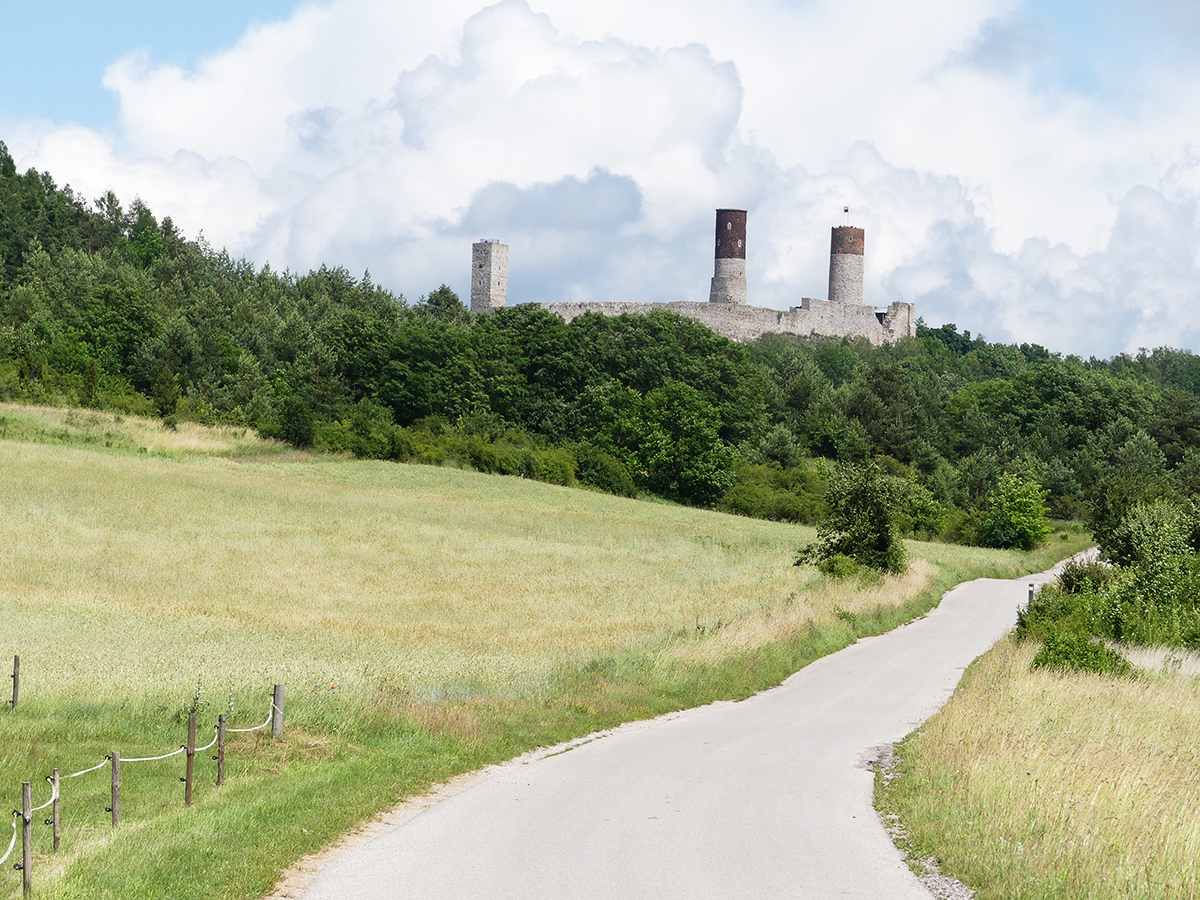
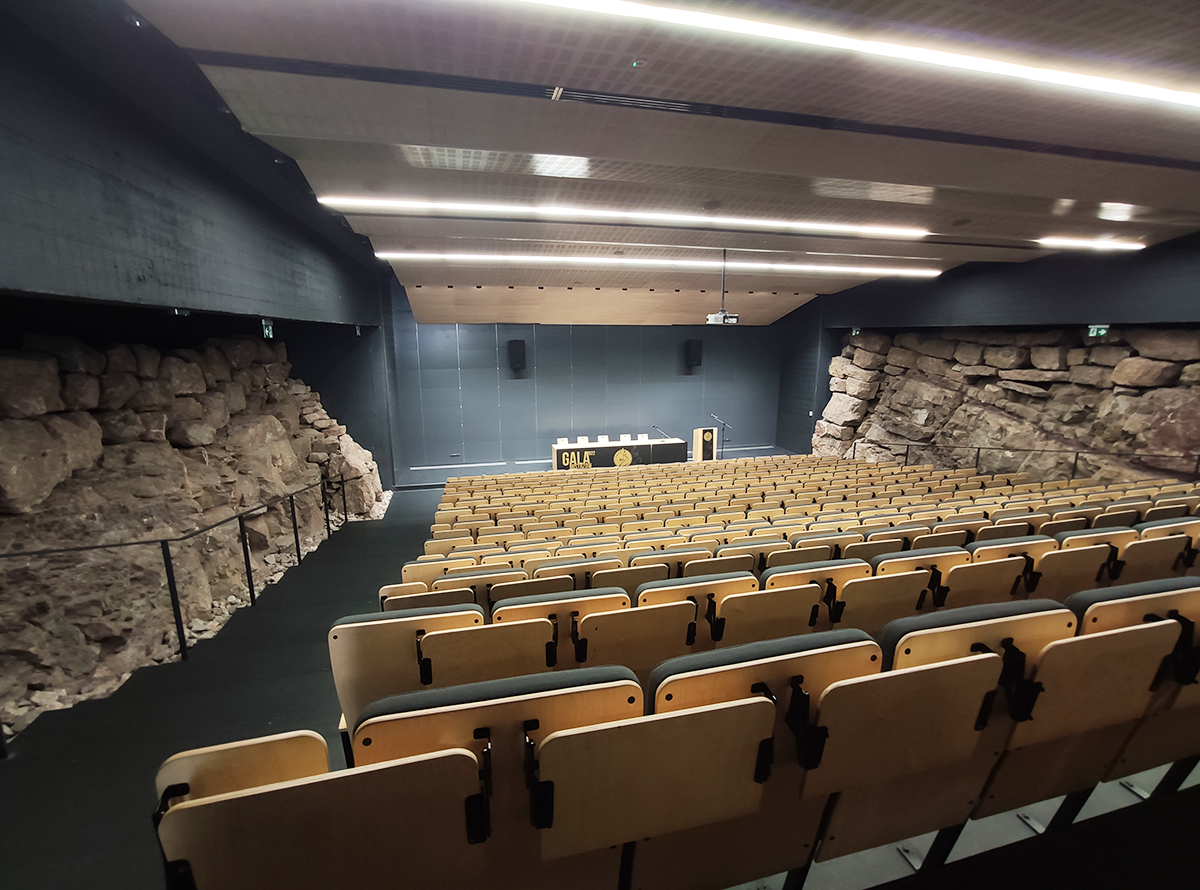
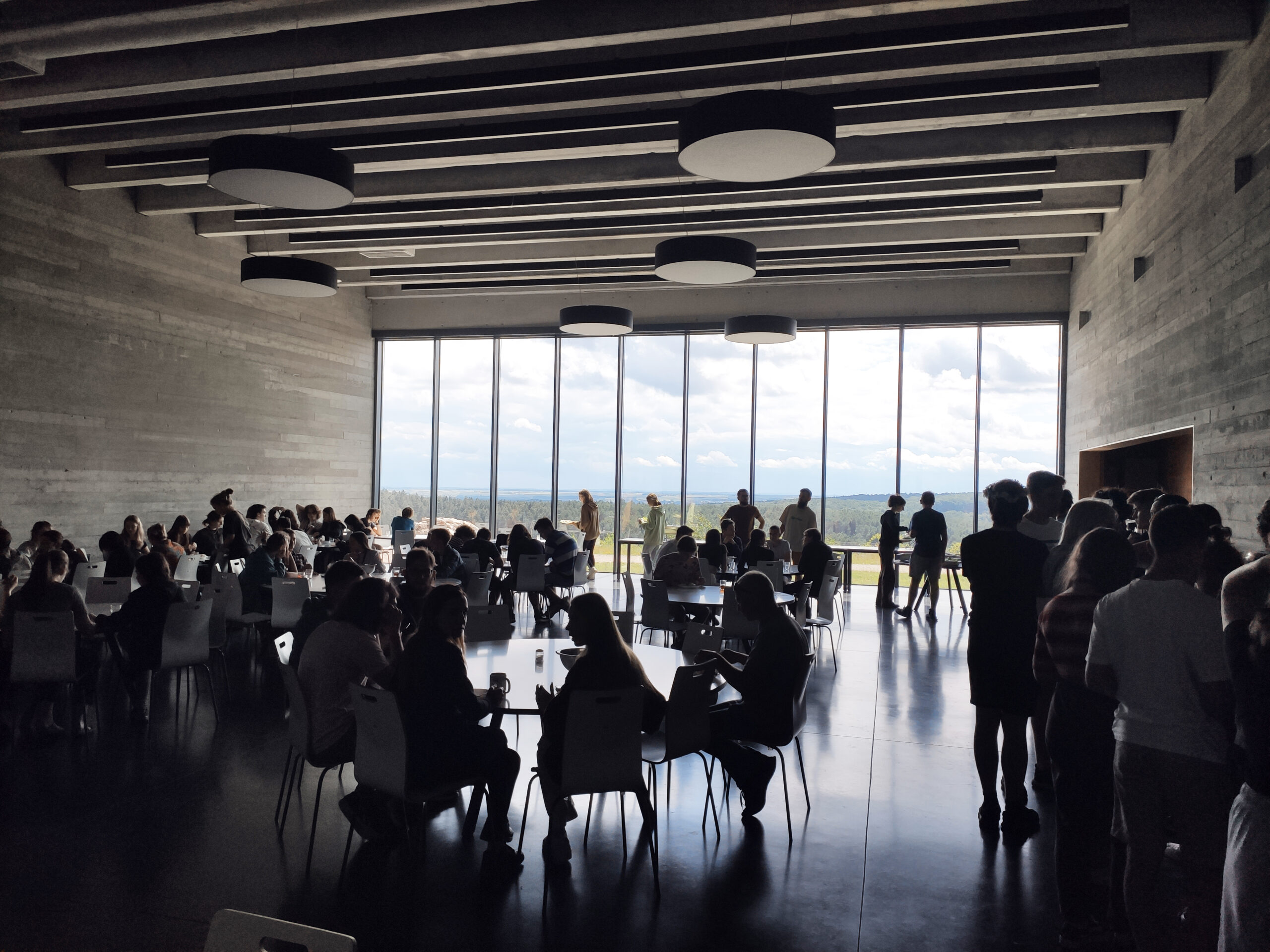
The conference and participants’ accommodation will take place at the European Centre for Geological Education (https://www.eceg.uw.edu.pl/en/). The European Centre for Geological Education is a modern conference center located in Chęciny, Poland. It is situated near beautiful forests and mountains, as well as the medieval Chęciny Castle, right in the heart of an extinct quarry in the Holy Cross Mountains (Góry Świętokrzyskie), which is considered a unique region of Europe and a perfect research environment for geologists.
Scientific Committee
- Jarosław Stolarski (Chair)
- Andrzej Ożyhar (Vicechair)
- Piotr Dobryszycki (Vicechair)
- Magdalena Wojtas
- Przemysław Gorzelak
- Mirosława Różycka
- Marta Kalka
- Anna Niedźwiecka
Organizing Committee
Marta Kalka
Magdalena Wojtas
Aneta Tarczewska
Katarzyna Sołtys
Anna Niedźwiecka
Mirosława Różycka
Anna Zoglowek
Nicole Horáková
Zuzanna Oświecińska
Jakub Haber
Viktoryia Krupnik
Katarzyna Janiszewska
Alicja Owczarek
Beata Greb-Markiewicz
Dominika Bystranowska
Marek Orłowski
Marta Kolonko-Adamska
Elżbieta Wieczorek
Organizer
Institute of Paleobiology, Polish Academy of Sciences, Warsaw, Poland
Co-organizers
Wrocław University of Science and Technology, Wrocław, Poland
Institute of Physics of the Polish Academy of Sciences, Warsaw, Poland
Main Sponsors
Ministry of Science and Higher Education